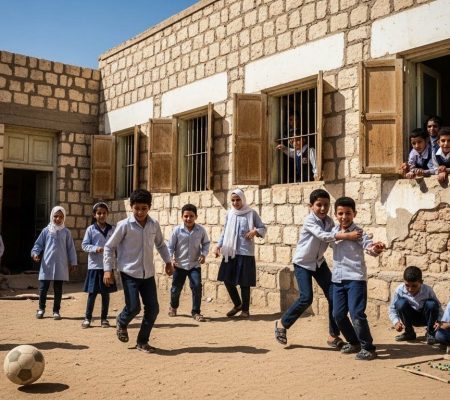
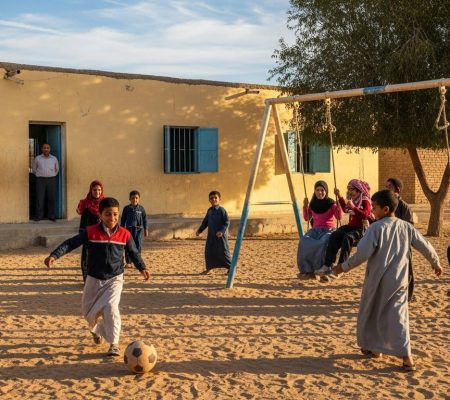
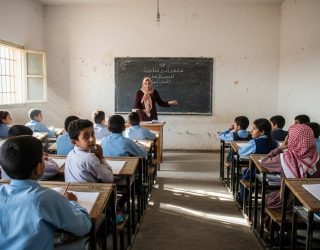
Egypt faces chronic structural challenges in education and nutrition, particularly in Upper Egypt’s rural and impoverished areas. While access to basic education has improved, dropout rates remain alarming—approximately 1.1 million students drop out annually, according to CAPMAS. This issue is compounded by poor nutrition, especially among children in governorates like Minya and Assiut, where anemia rates among children under 5 exceed 50%.
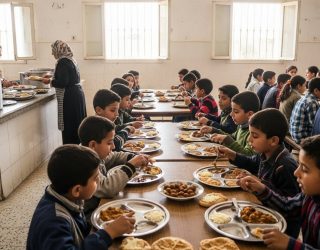
The project responds to a critical intersection of education, health, and poverty. Malnutrition—including anemia, stunting, and underweight—is widespread among school-aged children and undermines both learning and long-term wellbeing. Food inflation, limited access to health services, and gender disparities further deepen the crisis. Schools are seen as an ideal platform to address these multi-dimensional challenges. The project focuses on developing an improved and sustainable school feeding system targeting schools in the poorest areas. It ensures that the most vulnerable children receive three nutritious school meals per week, enhancing their attendance and regularity in school, and improving their health and learning capabilities, especially among poor and anemic children. Studies confirm that school feeding programs contribute to improving academic performance, reducing absenteeism, and building healthy eating habits in the long term.
Location: Assiut, Egypt & Minya, Egypt
Duration: 2025 – 2028
Partners: Sawiris Foundation for Social Development, Partage/AFD
Implementing Partner: AUEED
Expected Outcomes
The project aims to have a direct impact on 2,650 children, aged 5 to 18, enrolled in the association’s schools, both formal and non-formal, including classes for those at risk of dropping out and classes for continuing secondary education.
2,650 children will receive food services during the school day during the project’s lifetime.
Increase the school attendance rates of 2,650 children (through improved nutrition).
Improve the health of 2,650 children (as a result of improved school meals).
Training mothers to prepare traditional healthy meals.
Evaluation
The project’s proposed interventions have been tested using rigorous randomized control trial methodologies and have shown a statistically significant positive impact on the targeted outcomes for beneficiaries.